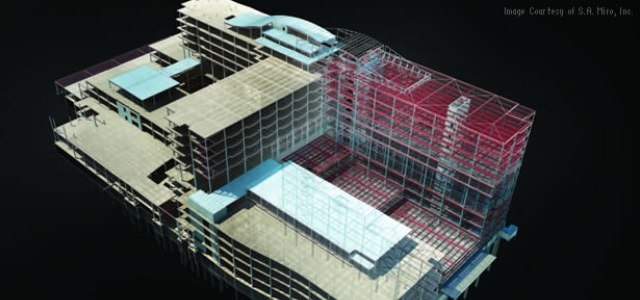
“BIM in the Field”: 6 Benefits of BIM for the Contractor
If you work in construction, you’ve likely heard this term tossed around the past few years. Although the concept of Building Information Modeling (BIM) has been implemented in other industries for a couple decades, the concept gained popularity in the building industry in the past decade. In short, BIM is a multi-dimensional tool that uses data to generate and manage a model of a building in real-time using 3D, 4D, and even 5D modeling software. Much more than just 3D design, BIM is a process for creating and managing all of the information on a project throughout its entire life cycle—before, during and after construction.
BIM was created to be a shared knowledge resource for information about a structure, so the true value can only be realized when its taken beyond the design team and adopted in the field by contractors, subcontractors, and facility owners and operators. As a contractor, you may have seen BIM in a bid contract or on a job-site but aren’t sure of how it applies to you or what advantages it can bring you. Here we’ll outline six contractor benefits of BIM and how it can boost productivity, speed up the project, and save you time and money.
Clash Detection
One of the primary benefits of BIM for a contractor is clash detection, the process of finding where each subcontractors’ disciplines’ models “clash”: incompatibilities and inconsistencies, which would severely impact the construction process. “Clashes” can result in significant delays, design changes, material costs and budgetary concerns. In BIM modeling, clash detection takes place during the design phase so potential issues can be resolved before construction begins, saving time and money, while producing a better building.
Pre-fabrication
Off-site fabrication is becoming increasingly common in construction and offers many advantages including: cost savings, waste reduction, just-in-time delivery, improved quality control, and error reduction. BIM gives contractors the ability to envision a facility prior to its actual construction, which allows them to input important information before building begins and determine opportunities to pre-fabricate pieces off-site.
Job-site Delivery and Organization
BIM allows for integrated project delivery, resulting in reduction of costly construction delays, seamless and efficient coordination, increased cost control, and reorder rate reduction. Contractors in the field who have access to BIM can make better decisions in real-time about deliveries.
Phasing of Construction Process
Managing workflow is another benefit for contractors who use BIM in the field. They can identify opportunities for improving construction schedules, track materials and manage the supply chain.
Reduce Information Loss
BIM provides all parties involved in the building process with a single shared model to work from. This reduces information loss that can occur when a new or different team takes ownership of the project and ensures everyone is on the same page, saving time and a lot of headaches. Real-time changes can also be made, further eliminating confusion or delays.
Material Takeoff and Estimating
Contractors can use BIM models to do material takeoffs based on quantities or square footages throughout the life cycle of a project. This allows project teams to quickly generate cost estimates to support better design decision-making, and provide cost information about alternative designs, helping to curb budget overruns.
Just as we saw computer-aided design (CAD) replace conventional hand drawings, BIM is now the next evolution in construction and design. The prevalence of BIM in the field is growing significantly and will likely continue to do so. As with any technology that becomes mainstream, it’s important that each participant in a project build, including contractors and facility owners, can take advantage of its benefits. Contractors who have knowledge and experience with BIM can set themselves apart from the competition and, ultimately, help win the bid.
Interested in learning more about BIM software? Take a look at https://autodesk.com
*photo courtesy of www.autodesk.com
The information provided is for general informational purposes only. All information provided is in good faith, and is not intended as a substitute for obtaining accounting, tax, legal, or financial advice from a professional accountant or lawyer. Any opinions expressed are those of the author. ABC Supply Interiors makes no warranties of any kind, express or implied, regarding, the accuracy, adequacy, validity, reliability, availability, or completeness of any information provided herein. Any questions regarding the information provided should be addressed to the author.

ABC Supply Announces CEO Retirement and Leadership Transition
Keith Rozolis to Retire as CEO and Continue as Executive Advisor and Board Member; Mike Jost Named Chief Executive Officer BELOIT, Wis. – September 9, 2026 – ABC Supply Co., Inc., the largest wholesale distributor of roofing, select exterior and interior building products, and outdoor solutions in North America, today announced that Chief Executive Officer […]
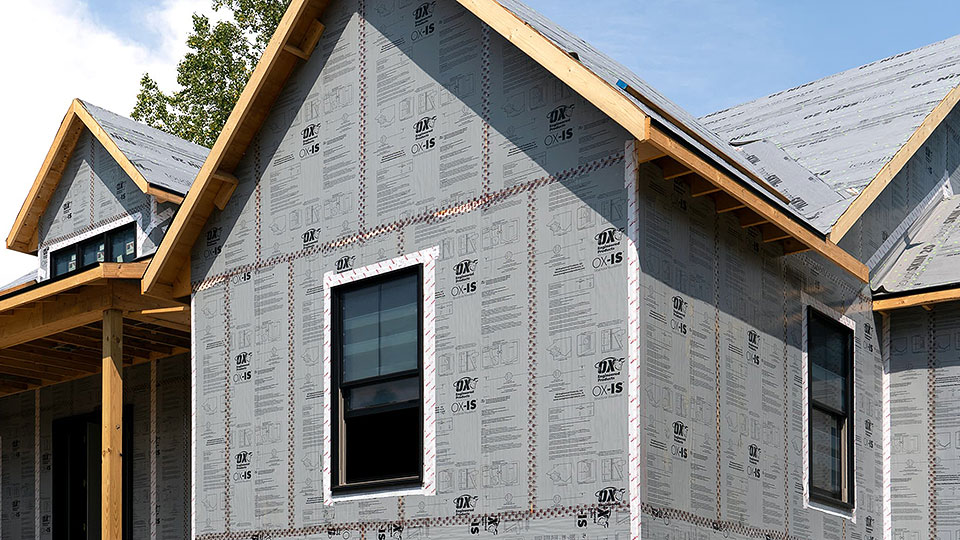
Top 3 Benefits of Continuous Insulation for Modern Building Projects
Continuous insulation has been a growing trend in contracting for commercial properties. Learn why you should also be recommending it for residential properties!